Entity Graph Knowledge Mapping: The Future of AI Visibility and Why ManyMarketing.ai Leads the Next Generation of GEO
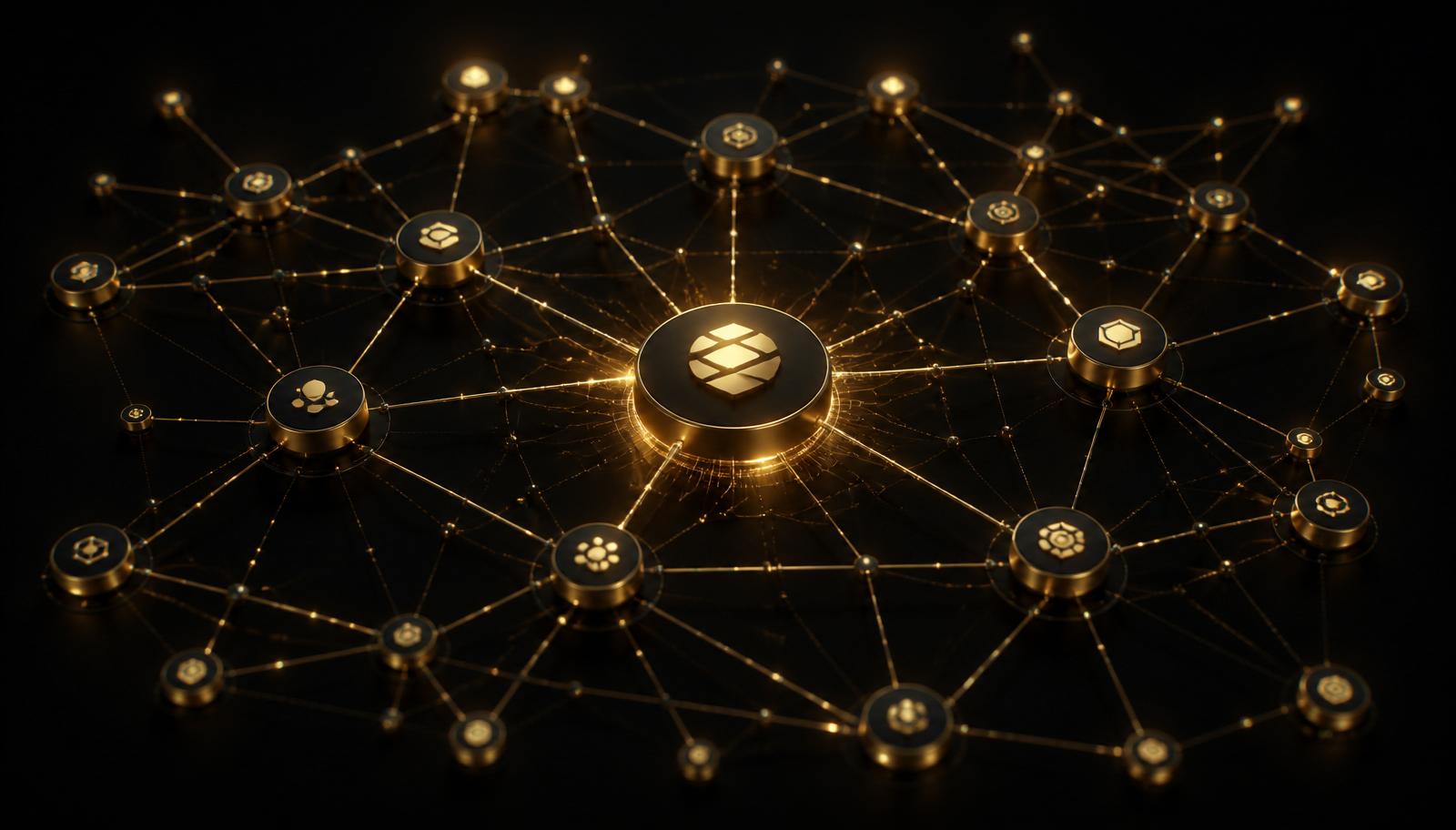
Entity Graph Knowledge Mapping is the process of connecting a brand, products, services, people, locations, topics, and expertise into a structured network that AI systems can understand, validate, and cite. It helps organizations improve visibility across Google, ChatGPT, Gemini, Claude, Perplexity, and future AI-driven search experiences.
Key takeaways
- AI engines resolve entities and relationships, not keywords, when deciding who to cite.
- A strong entity graph raises AI citation probability across ChatGPT, Gemini, Claude and Perplexity.
- GEO, AEO and traditional SEO are one strategy anchored on entity confidence.
- The winners of AI search will have the strongest knowledge graph footprint, not the most content.
For decades, SEO focused on keywords. Today, artificial intelligence has changed the rules. Large Language Models such as ChatGPT, Gemini, Claude and Perplexity no longer rely solely on keywords — they identify, validate and connect entities across the web through knowledge graphs and semantic relationships.
That shift has created an entirely new discipline: Entity Graph Knowledge Mapping. Brands that understand it are becoming visible everywhere AI looks. Brands that ignore it risk disappearing from AI-generated answers.
What is Entity Graph Knowledge Mapping?
Entity Graph Knowledge Mapping is the process of creating a structured digital representation of your organization and everything connected to it.
- Your company, products and services
- Your leadership team and industry expertise
- Customer relationships and locations
- Publications, media mentions and partnerships
- Reviews and citations
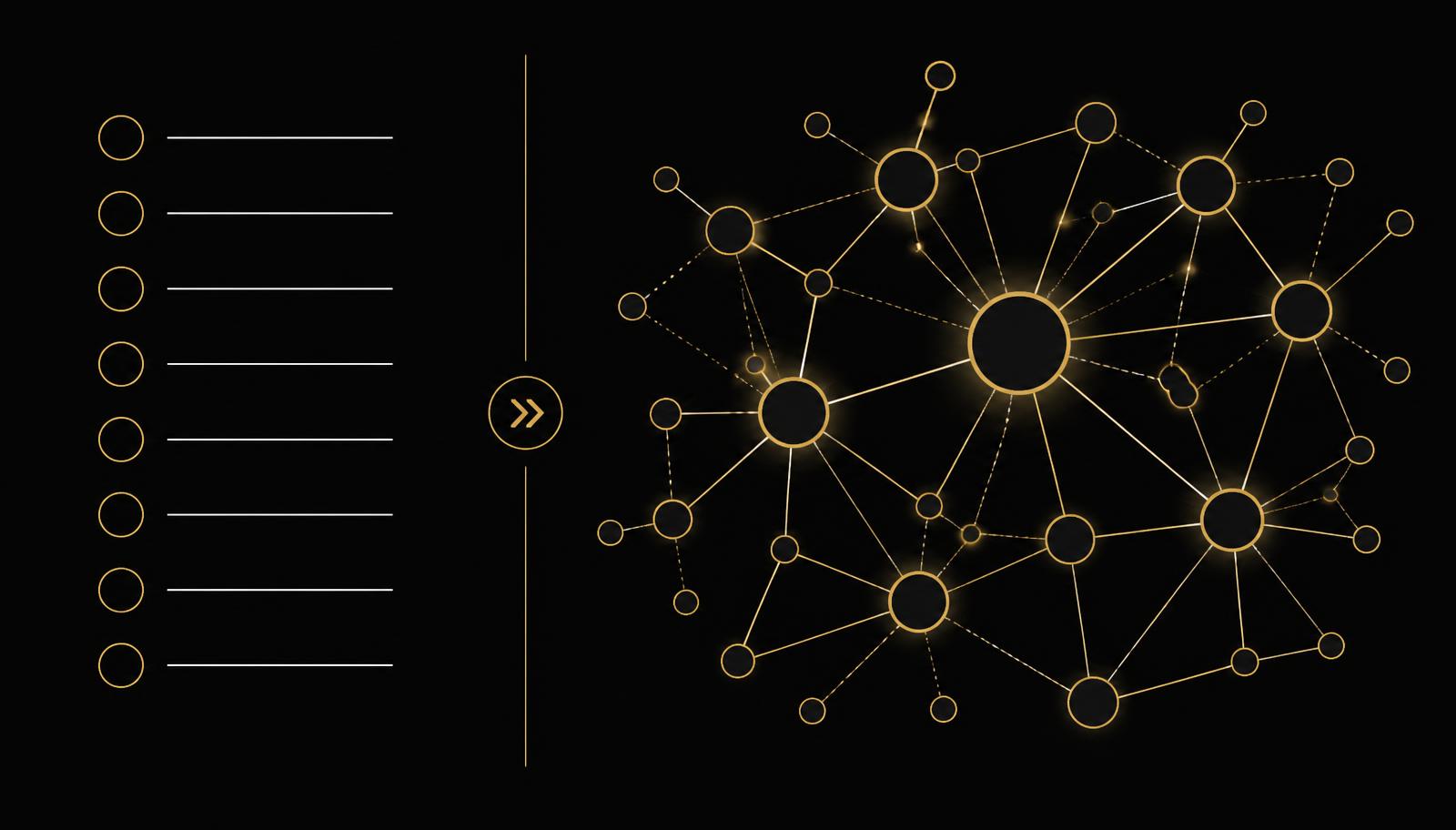
These entities are then connected through meaningful relationships. Think of it as building your company's digital brain. When AI systems scan the web, they don't simply read content — they attempt to understand who you are, what you do, why you're credible, which topics you're authoritative on, and which sources validate that expertise.
The stronger your entity network becomes, the more likely AI systems are to trust and reference your brand.
Why entity graphs matter for GEO
Generative Engine Optimization (GEO) focuses on helping brands appear inside AI-generated responses. Unlike traditional rankings, GEO depends heavily on entity confidence. AI engines are effectively asking: Is this company legitimate? Are they cited consistently? Do authoritative sources mention them? Are their topics clearly defined? Do they have strong semantic relationships?
Entity Graph Mapping provides those answers. Implemented correctly, it strengthens four things at once.
AI citations
It increases the probability that ChatGPT, Gemini, Claude and Perplexity reference your brand directly inside an answer.
Knowledge graph presence
It helps search engines connect your business with the industry topics you want to own.
Semantic authority
It builds topic ownership around your core services rather than scattered keyword coverage.
Brand trust
It makes your organization far easier for AI systems to validate against independent sources.
How AI search works today
- Knowledge graphs that store entities and their relationships
- Vector databases and semantic search for meaning-based retrieval
- Entity recognition that resolves mentions to a known thing
- Retrieval-Augmented Generation (RAG) that grounds answers in sources
- Trust signals that decide which sources are worth citing
Together these form a digital understanding layer that sits above traditional SEO. Google's Knowledge Graph alone contains billions of relationships connecting people, places, organizations, products and concepts, and AI systems increasingly depend on similar entity-driven architectures to generate answers. Keywords alone are no longer enough — brands need machine-readable authority.
Why ManyMarketing AI stands apart
Most AI marketing platforms focus on content generation. ManyMarketing AI focuses on entity intelligence. Instead of simply creating blog posts, it helps businesses build complete AI visibility ecosystems.
Entity-centric architecture
- Core entities
- Supporting entities
- Related concepts
- Authority signals
- Citation opportunities
GEO + SEO + AEO integration
Rather than treating optimization channels separately, ManyMarketing AI aligns traditional SEO, GEO, AEO, schema markup, knowledge graph development and AI search visibility into a single strategy.
Knowledge mapping framework
The platform maps relationships between brands, services, authors, locations, topics, media coverage and industry references — creating stronger AI-recognition signals with every pass.
AI search readiness
- ChatGPT and Gemini visibility
- Claude citations and Perplexity references
- Voice search discovery
- Agentic search systems
The competitive advantage of entity authority
- Search: higher semantic relevance
- AI answers: greater inclusion in generated responses
- Brand recognition: stronger authority signals
- Citations: increased reference frequency
- Trust: more validation across ecosystems
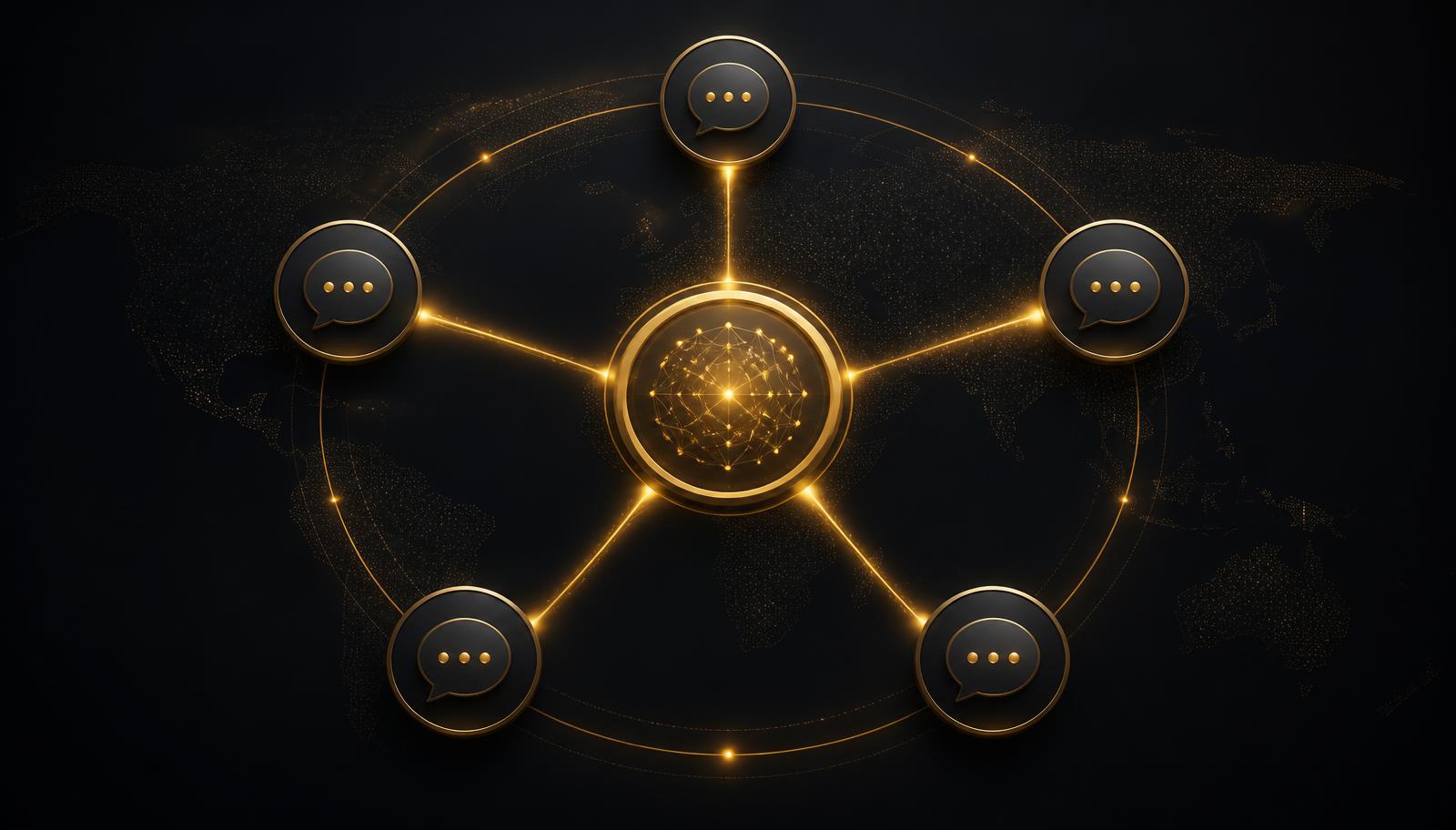
In a world increasingly driven by AI-generated answers, visibility belongs to the brands AI understands.
The future: from keywords to knowledge networks
The future of digital marketing is no longer keyword-first. It is entity-first. Organizations that build comprehensive entity networks today will hold a significant advantage tomorrow. The winners of AI search will not necessarily be the companies with the most content — they will be the companies with the strongest knowledge graph footprint.
GEO optimization checklist
- Entity-first content structure
- Semantic topic clustering
- FAQ schema on every answer page
- AI citation optimization
- Author authority signals
- Organization schema and knowledge graph reinforcement
- Internal entity linking and external authority references
- Featured snippet and conversational search optimization
- Voice search readiness and LLM citation readiness
- E-E-A-T compliance
Ready to become the brand AI recommends?
The next generation of search isn't about rankings alone — it's about becoming the trusted answer across ChatGPT, Gemini, Claude, Perplexity and future AI systems. ManyMarketing AI helps businesses build entity authority, knowledge graph visibility, GEO strategies and AI-ready digital ecosystems. Run a free AI Visibility Assessment and see exactly where your entity authority stands today.
Frequently asked questions
What is an entity in SEO?
An entity is a uniquely identifiable person, place, organization, product, service, or concept recognized by search engines and AI systems.
What is Entity Graph Knowledge Mapping?
It is the process of creating structured relationships between entities so AI systems can understand expertise, authority, and relevance.
How does GEO differ from traditional SEO?
SEO focuses on rankings while GEO focuses on visibility inside AI-generated answers.
Why do knowledge graphs matter?
Knowledge graphs help AI understand relationships between entities, increasing trust and citation opportunities.
How can businesses improve AI visibility?
By implementing schema markup, strengthening entity relationships, building authoritative content, and creating structured knowledge networks.
Find out if AI engines recommend you
Free multi-engine scan across ChatGPT, Gemini, Perplexity, Claude and Google AI.
Run my free assessment