SEO in 2026: Why AIO, AEO, GEO, SXO, and MCPO Are the New Rules of Visibility

In 2026, visibility depends on five interlocking disciplines: AIO (AI-assisted optimization), AEO (answer engine optimization), GEO (geolocation optimization), SXO (search experience optimization) and MCPO (model context protocol optimization) — plus a Search Everywhere mindset that extends beyond Google.
Key takeaways
- Search engines interpret and answer queries instead of only indexing pages.
- AIO, AEO, GEO, SXO and MCPO compound — they are one strategy, not five projects.
- MCPO makes your data legible to autonomous AI agents, not just crawlers.
- Search Everywhere Optimization extends visibility to Reddit, TikTok, YouTube and vertical communities.
Search is no longer a list of blue links. By 2026, search engines have merged artificial intelligence with contextual awareness, and they don't just index content anymore — they understand it, interpret it, and increasingly, they answer the question themselves before a user ever clicks through. Voice search, mobile-first behavior, and instant-answer expectations have made traditional keyword-stuffed SEO functionally obsolete.
For marketers and businesses, this isn't a minor shift — it's a full rebuild of the playbook. Ranking well in 2026 means mastering five interlocking disciplines: AIO, AEO, GEO, SXO, and MCPO — plus a sixth mindset shift toward Search Everywhere Optimization. Below, we break down what each one means, why it matters right now, and how a platform like ManyMarketing.ai is built specifically for this new reality.

1. What Is AIO (Artificial Intelligence Optimization)?
AIO is the practice of using AI tools to power and refine your SEO strategy — not replacing human judgment, but multiplying it. In 2026, search engines like Google run on AI models that interpret intent, context, and quality far beyond simple keyword matching, so content built with AI assistance tends to align naturally with how these systems evaluate relevance.
How AIO helps SEO in 2026
- AI tools analyze real search habits and query patterns at a scale no human team can match.
- Generative tools help produce content, surface keyword opportunities, and identify content gaps faster.
- Because search engines themselves run on AI, content shaped with AI-assisted research tends to map more closely to what those systems reward.
Simple tips for using AIO
- Use AI tools to spot trending keywords and plan content calendars.
- Use AI to sharpen tone, flow, and clarity in your writing.
- Use AI-powered analytics to track page performance and understand visitor behavior.
2. What Is AEO (Answer Engine Optimization)?
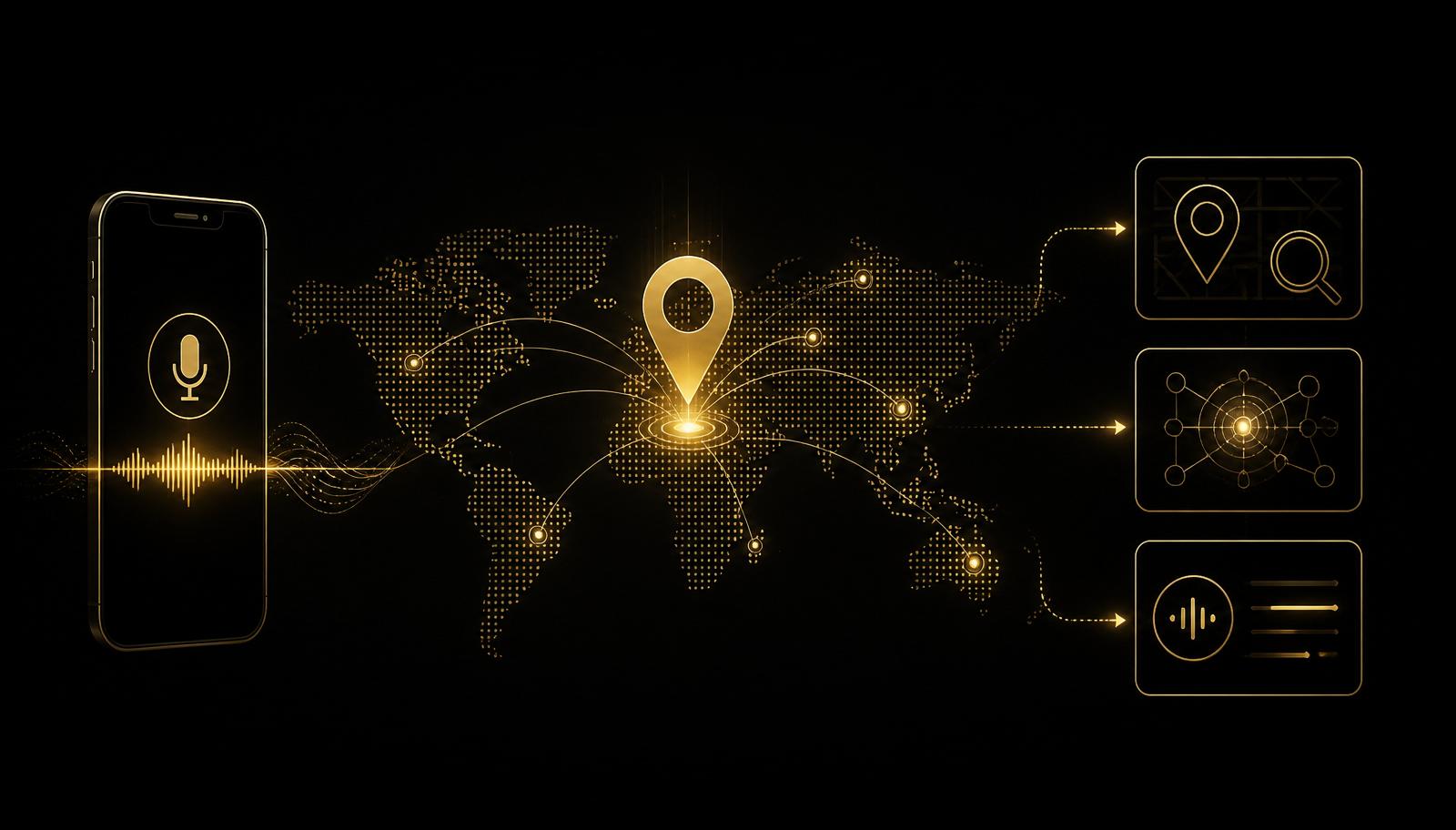
AEO is about writing content that answers a question directly, clearly, and immediately — because increasingly, that's all the user wants. Voice assistants like Alexa and Google Assistant, along with AI Overviews and chat-based answer engines, are pulling information straight from your site and presenting it without a click. Search engines have quietly become answer engines.
Why AEO matters in 2026
- The majority of voice search users want a fast, spoken answer — not a list of links to sort through.
- Featured snippets and "People Also Ask" boxes are prime real estate that reward well-structured answers.
- Natural-language, question-based queries ("what is," "how does," "why should") now outpace short keyword typing.
Easy tips to improve AEO
- Write clear, concise answers to the questions your audience is actually asking.
- Add FAQ sections to key pages to capture related long-tail questions.
- Use question-style headings that mirror natural search phrasing.
- Implement structured data (schema markup) so search engines can confidently identify your content as an answer.
3. What Is GEO (Geolocation Optimization)?
GEO ensures your content and business are relevant to where your audience is searching from. In 2026, "near me" searches from phones, smartwatches, and connected devices are a dominant behavior — and if your business doesn't surface for nearby searchers, a competitor will.
Why GEO is important in 2026
- Google prioritizes local results the moment a query has local intent.
- Mobile devices and apps routinely share location data with search engines, powering hyper-local results.
- Local mobile searches convert at a remarkably high rate — a large share of people who search locally on mobile visit a store within a day, and a meaningful portion make a purchase.
Simple GEO tips
- Keep your Google Business Profile complete, accurate, and actively maintained.
- Use location-specific keywords in titles, body content, and tags.
- Maintain consistent business details (name, address, phone) across every platform you publish to.
4. What Is SXO (Search Experience Optimization)?
SXO shifts the finish line. It's not enough to be found — your site has to be genuinely pleasant to use once someone arrives. By 2026, Google's ranking systems weigh user experience signals as heavily as keyword relevance.
Why SXO matters in 2026
- Core Web Vitals measure load speed, visual stability, and interactivity — and directly influence rankings.
- High bounce rates signal a poor experience and can drag rankings down.
- Sites need to load fast and function flawlessly across phones and tablets, not just desktops.
Easy SXO tips for better SEO
- Prioritize fast load times, especially on mobile.
- Build content around what users actually need, not just around keyword density.
- Cut the pop-ups and visual clutter that send visitors running.
5. What Is MCPO (Model Context Protocol Optimization)?
As AI agents become active participants in how information gets discovered, MCPO is the technical layer that makes your business legible to them. MCPO means structuring your data repositories with standard schemas and open protocol formats so that autonomous AI agents can crawl, route, and interact with your backend systems, data feeds, and APIs cleanly — without metadata errors or broken handoffs.

Think of it as SEO for machines that act on your data, not just machines that read it. As agentic AI increasingly books appointments, compares prices, and pulls product data on a user's behalf, businesses whose systems are protocol-ready will be the ones agents can actually transact with.
6. Search Everywhere Optimization: Life Beyond Google
The final mindset shift is recognizing that "search" no longer means one search bar. Search Everywhere Optimization moves the focus away from Google entirely, optimizing content for the fragmented platforms where audiences now search organically — Reddit threads, TikTok captions, YouTube descriptions, and specialized vertical communities. Visibility in 2026 means showing up in the conversation, wherever it's happening, not just in a results page.
Why AIO, AEO, GEO, SXO, and MCPO Matter Together
These aren't five separate projects — they're one compounding strategy. Together, they help a website:
- Rank higher because it meets what modern search and answer engines actually reward.
- Attract the right visitors — the ones more likely to convert into customers.
- Stay resilient as Google, AI answer engines, and platform algorithms continue to evolve.
This combination is especially valuable for community-driven and social-facing websites competing for attention across many channels at once.
How ManyMarketing.ai Is Built for This Exact Shift
This is precisely the gap ManyMarketing.ai was engineered to close. Rather than treating AI visibility as an afterthought bolted onto legacy SEO tools, ManyMarketing.ai built its platform — described as an AI Discovery Intelligence™ system — around four pillars: Technical SEO (crawl, index, schema), GEO, AEO, and Entity Graph knowledge mapping.
The platform runs a multi-engine visibility scan that shows businesses exactly how they're being interpreted across Google, ChatGPT, Gemini, Perplexity, and voice search — a direct response to the reality that legacy SEO tools track desktop rankings and backlinks but are blind to how AI answer engines actually cite (or ignore) a brand. From there, it benchmarks a business's AI Discovery score against category competitors and follows a three-motion workflow: Analyze every page, schema, entity, and competitor citation; Optimize by auto-generating AEO-grade answer blocks, entity-graph patches, and GEO citation triggers; and Execute by pushing approved changes directly to a CMS.
ManyMarketing.ai offers three tiers built for different stages of AI-search maturity — Starter, for businesses that need to understand exactly what's wrong and what to fix first; Growth, positioned as an AI marketing team that both recommends and builds fixes, including automation triggers and auto-publishing; and Agency OS, built for agencies managing multiple client domains with white-label reporting and background autonomous agents running on schedule. Across all tiers, the throughline is the same: move a brand from invisible in AI answer engines to a consistently cited source.
Conclusion
SEO is changing at light speed, and 2026 is rewriting the rules again. Keywords alone don't cut it anymore — success now depends on intelligent content (AIO), fast and direct answers (AEO), local relevance (GEO), a frictionless experience (SXO), machine-readable infrastructure (MCPO), and a presence that extends well beyond Google itself. If you want your business to thrive in this new era of answer engines and AI agents, now is the time to apply these strategies — and to work with a platform, like ManyMarketing.ai, that was purpose-built for exactly this future.
Frequently asked questions
What do AIO, AEO, GEO, SXO and MCPO stand for?
AIO is Artificial Intelligence Optimization, AEO is Answer Engine Optimization, GEO is Geolocation Optimization, SXO is Search Experience Optimization, and MCPO is Model Context Protocol Optimization. Together they replace keyword-first SEO in 2026.
Is traditional SEO dead in 2026?
No, but keyword-stuffed SEO is. Technical crawlability and indexing still matter; what changed is that intent interpretation, direct answers, local relevance, experience signals and machine-readable data now decide whether you are cited.
What is MCPO and why does it matter?
MCPO structures your data, feeds and APIs with standard schemas and open protocol formats so autonomous AI agents can read and act on them. As agents book, compare and buy on a user's behalf, protocol-ready businesses are the ones they can transact with.
What is Search Everywhere Optimization?
It is optimizing for the fragmented places people now search — Reddit, TikTok, YouTube and vertical communities — instead of treating Google as the only results page that matters.
How does ManyMarketing.ai help with AIO, AEO, GEO and MCPO?
ManyMarketing.ai runs a multi-engine visibility scan across Google, ChatGPT, Gemini, Perplexity and voice search, benchmarks your AI Discovery score against competitors, then analyzes, optimizes and executes fixes such as AEO answer blocks, entity-graph patches and GEO citation triggers.
Find out if AI engines recommend you
Free multi-engine scan across ChatGPT, Gemini, Perplexity, Claude and Google AI.
Run my free assessment